


How Basement Waterproofing Works
Learn why basements leak, how French drains and sump pumps help manage groundwater, and how Sump Daddy Corporation installs waterproofing systems for homes across Washington, DC and Maryland.
The Problem
 The Problem
Why Basements Leak in DC & Maryland Homes
Water can get into a basement through foundation cracks, window wells, floor joints and poor drainage outside. These are six common ways it reaches homes in Washington, DC and Maryland, numbered on the diagram.
- 1
Grading and downspouts
Rain soaks into the soil right against the foundation.
- 2
Window wells
A well with no working drain fills up and leaks at the window.
- 3
Wall cracks
Cracks give groundwater a direct path through the wall.
- 4
Hydrostatic pressure
A high water table pushes water at the walls and under the slab.
- 5
The cove joint
Where the wall meets the floor, the first place most basements leak.
- 6
Floor cracks
Pressure from below forces water up through the slab.
The Fix
How French Drains & Sump Pumps Keep Basements Dry
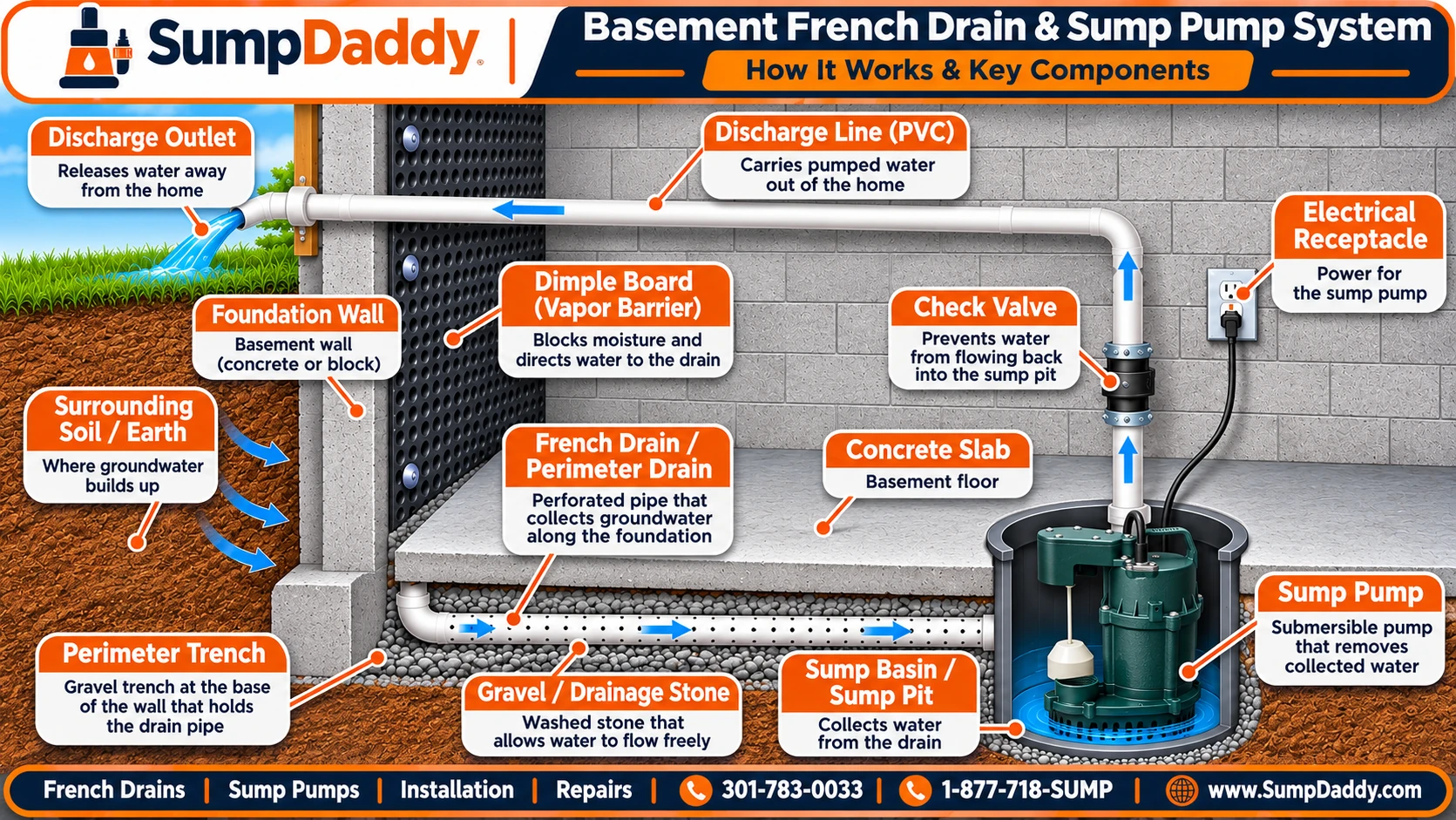
An interior French drain collects water along the basement perimeter and carries it to a sump basin. The sump pump then sends it through a discharge line away from the home, before it can come up into the basement.
 Open the full-size diagram
What's Included in a Basement Waterproofing System?
The main parts of a typical interior French drain and sump pump system, from the drain pipe and sump basin to the discharge line and battery backup. Each one is shown on the diagram above.
Vapor barrier
Heavy poly or drain board on the walls sends seepage down into the drain.
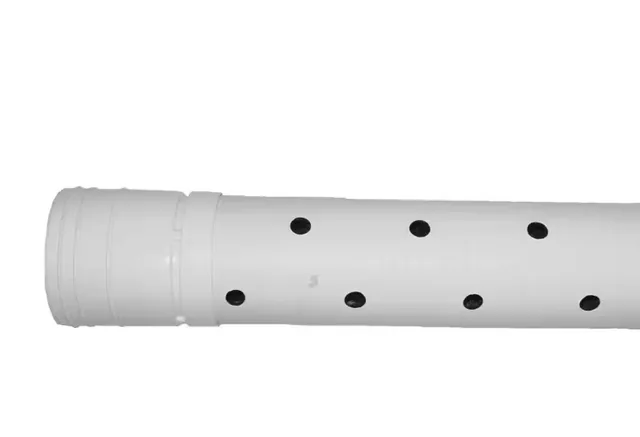
Perforated drain pipe
Laid in washed stone beside the footing, it collects water before it reaches the floor.
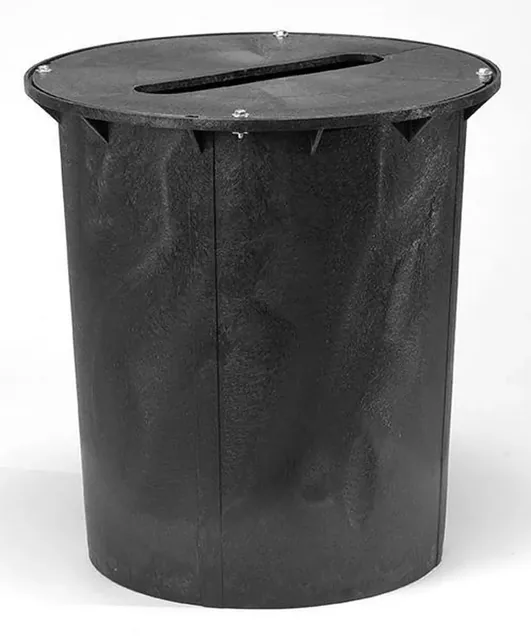
Sump basin
A sealed pit set below the slab where the drain pipe empties.
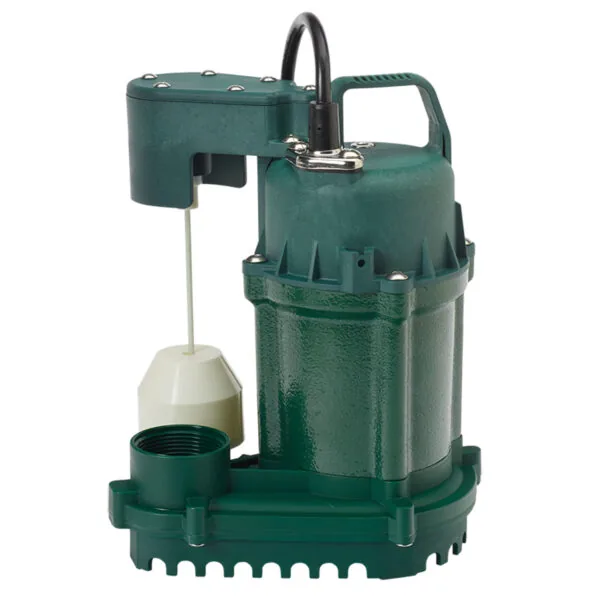
Sump pump
A properly sized sump pump switches on as the basin fills and pushes the water out.
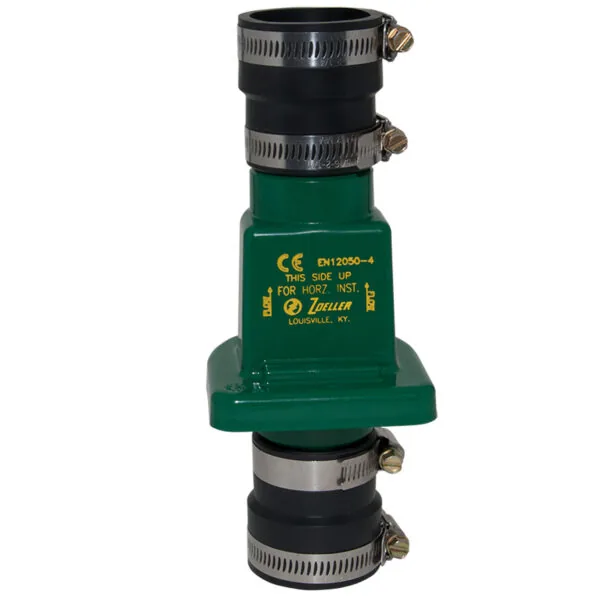
Check valve
Stops the water in the discharge line from falling back into the pit.
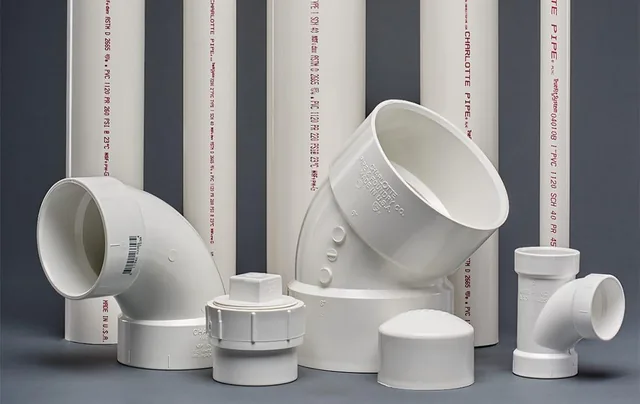
PVC discharge line
Carries pumped water up, through the wall and out of the house.
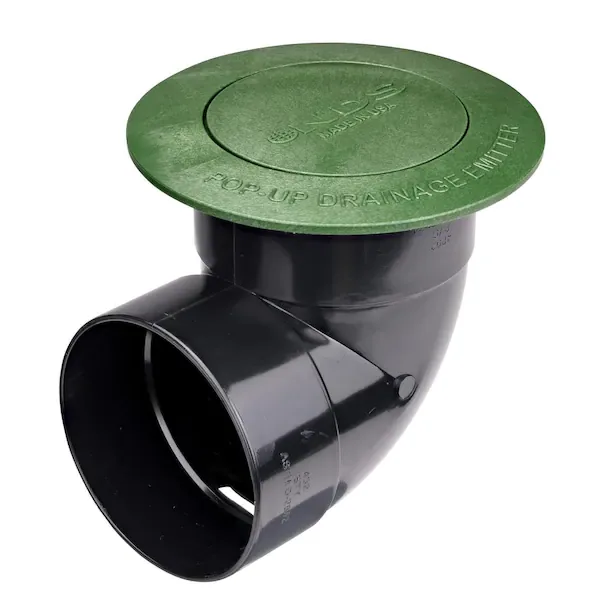
Pop-up emitter
Releases the water in the yard, well away from the foundation.
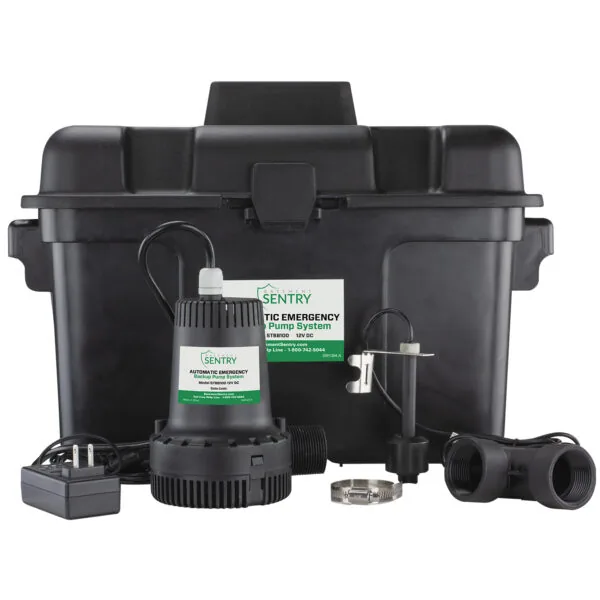
Battery backup
Can keep the pump running during a power outage, depending on battery capacity and system conditions.

Our Work
Real Jobs, Real Basements
Real Sump Daddy Corporation waterproofing projects across Washington, DC and Maryland: French drain installations, sump pump systems, foundation drainage and basement repairs. Open any photo to see it full size.
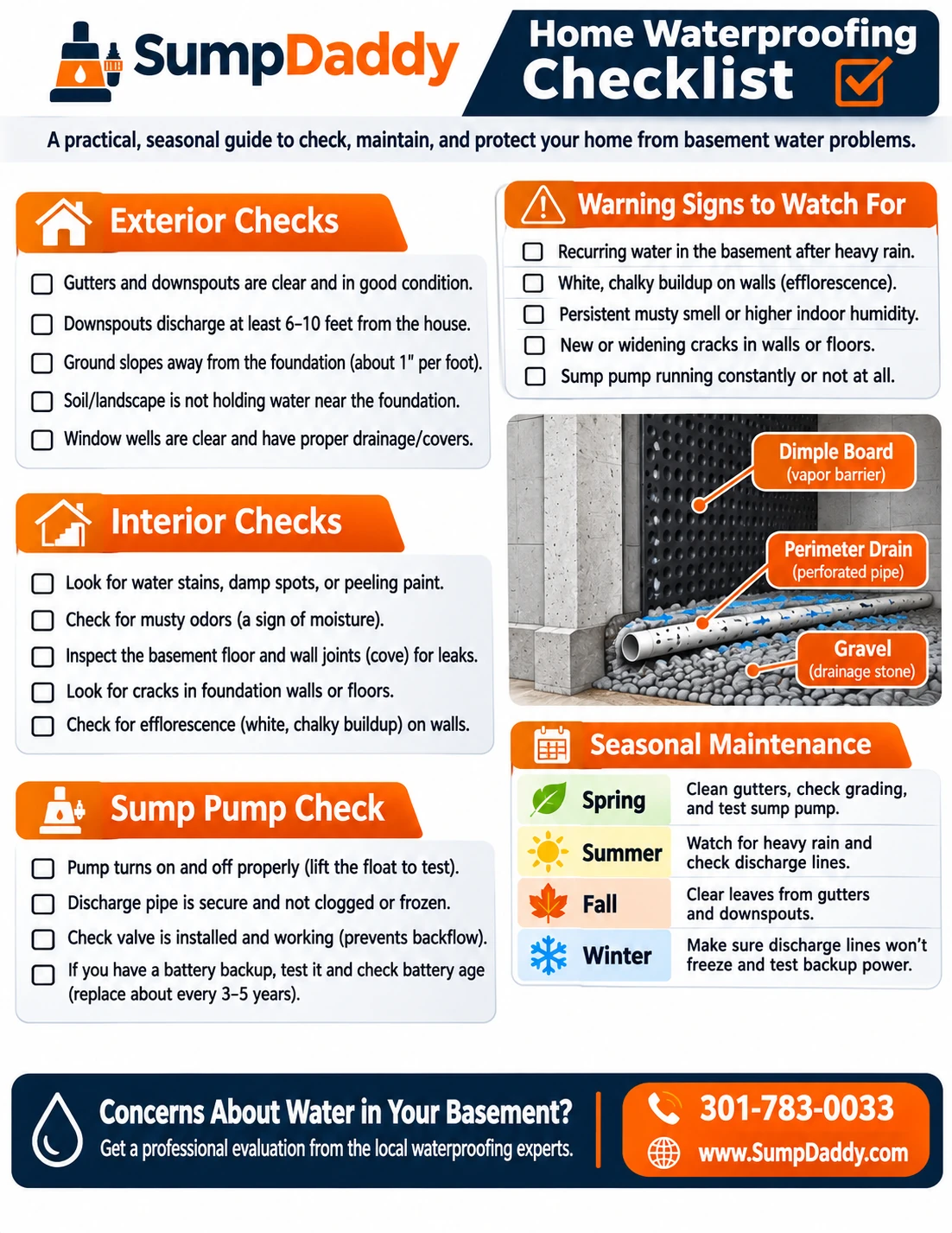
Free Checklist
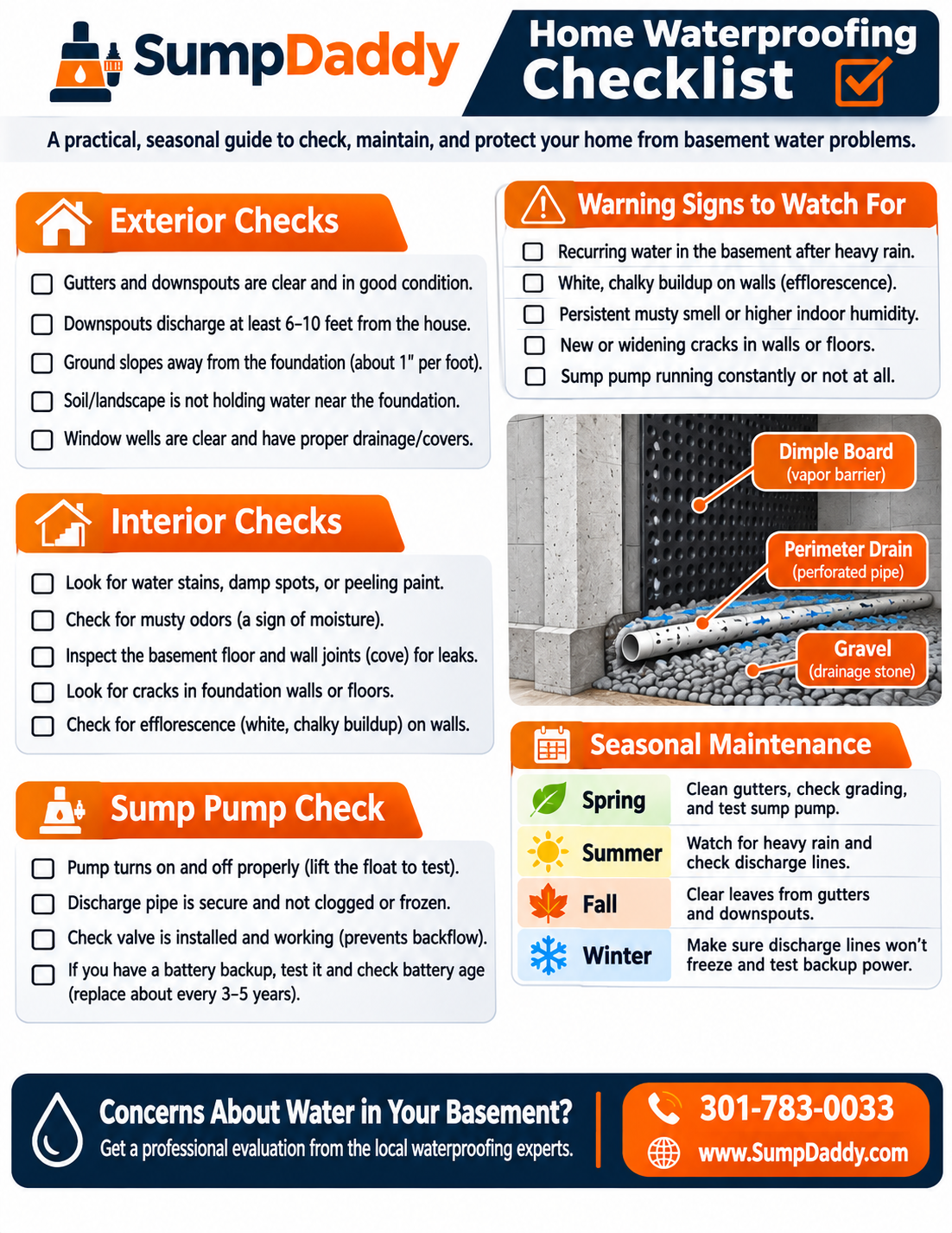
Basement Waterproofing Maintenance Checklist
Use this seasonal checklist to inspect gutters, downspouts, foundation drainage, basement moisture and sump pump operation. Download or print it to help spot problems before the next heavy rain.
Outside
- Gutters and downspouts clear
- Downspouts drain away from home
- Ground slopes away from the wall
Inside
- Water stains or damp spots
- Musty smell or high humidity
- New cracks or white, chalky buildup
Sump pump
- Lift the float to test it
- Discharge line clear and not frozen
- Battery backup tested
Through the year
- Spring: clean gutters, test the pump
- Fall: clear leaves from the gutters
- Winter: keep the discharge from freezing

Request an Inspection
Let's Find the Right Solution for Your Home.
Tell us what you are seeing. A professional reviews every request and responds within one business day to schedule an inspection.
- Call(301) 783-0033
- Toll-free1-877-718-SUMP
- Emailcustomerservice@
sumpdaddy.com - Service areaWashington, DC, Montgomery & PG Counties
- HoursMon–Sat, 8:00 AM – 4:30 PM