


Sump Pump Installation in DC and Maryland
A surprising number of homes in Washington, DC and the Maryland suburbs have no sump pump at all. Rowhouses in Petworth and Capitol Hill, bungalows in Takoma Park, and ranchers in Hyattsville were built before perimeter drainage was standard. When the water table rises after a long rain, there is nowhere for the water to go except across the floor.
A new sump pump system gives that water a destination. We cut a pit at the low point of the basement, set a heavy-duty basin in gravel, install a Zoeller or Pro-Series submersible pump sized to the volume we expect, add a check valve so pumped water does not fall back into the pit, and run a discharge line through the wall and away from the foundation. A sealed lid keeps humidity and odors out of the room.
- Licensed in Maryland & DC
- Serving DC & Maryland
- One-business-day replies
- We waterproof & rebuild


This page is about installing a pump where none exists. If your current pump has stopped working, see our sump pump repair page. If it is old and you want it swapped before it fails, see sump pump replacement. In all three cases, a professional from Sump Daddy answers within one business day to get an inspection scheduled.
What the Service Includes
 What the Service Includes
What You Get
Every sump pump installation job covers these, priced in writing before we start.
Pit location and water-volume assessment
We find the true low point of the slab, check for footings and utilities beneath it, and estimate how much water the pump will need to move in a storm.
Heavy-duty sump basin with sealed lid
A rigid, perforated basin set in washed gravel collects groundwater from below the slab, and a gasketed lid keeps moisture and radon-carrying air out of the basement.
Zoeller or Pro-Series primary pump
Cast-iron submersible pumps in 1/3, 1/2, or 3/4 horsepower are matched to your water volume and the height the water has to be lifted.
Check valve and discharge line
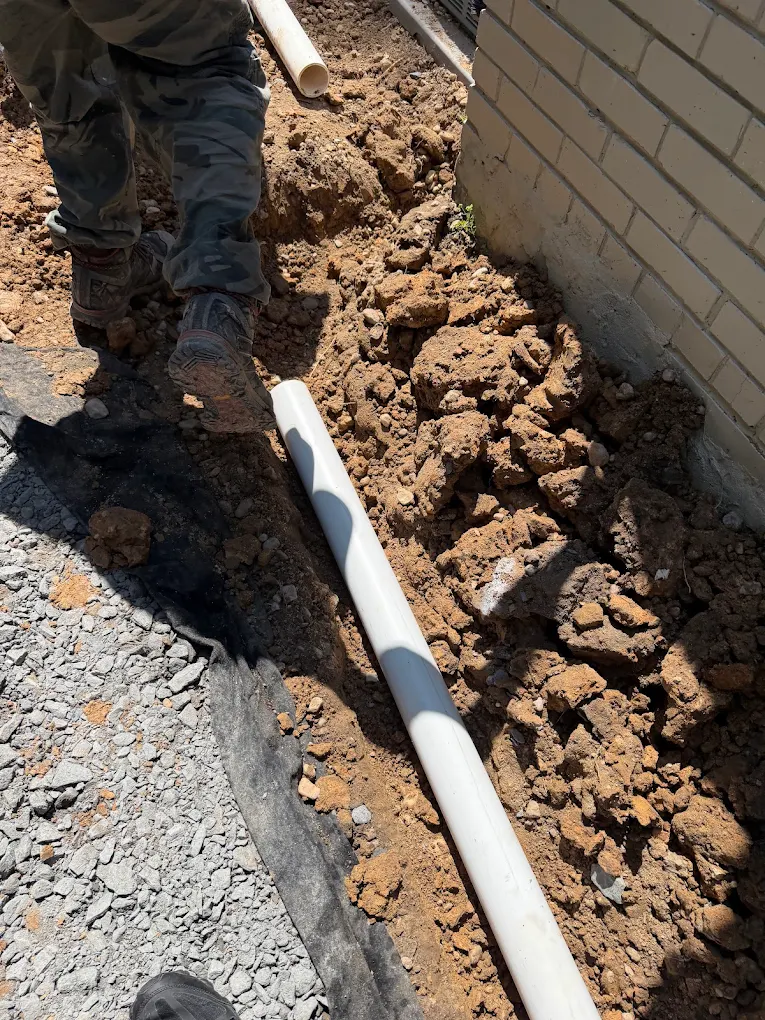
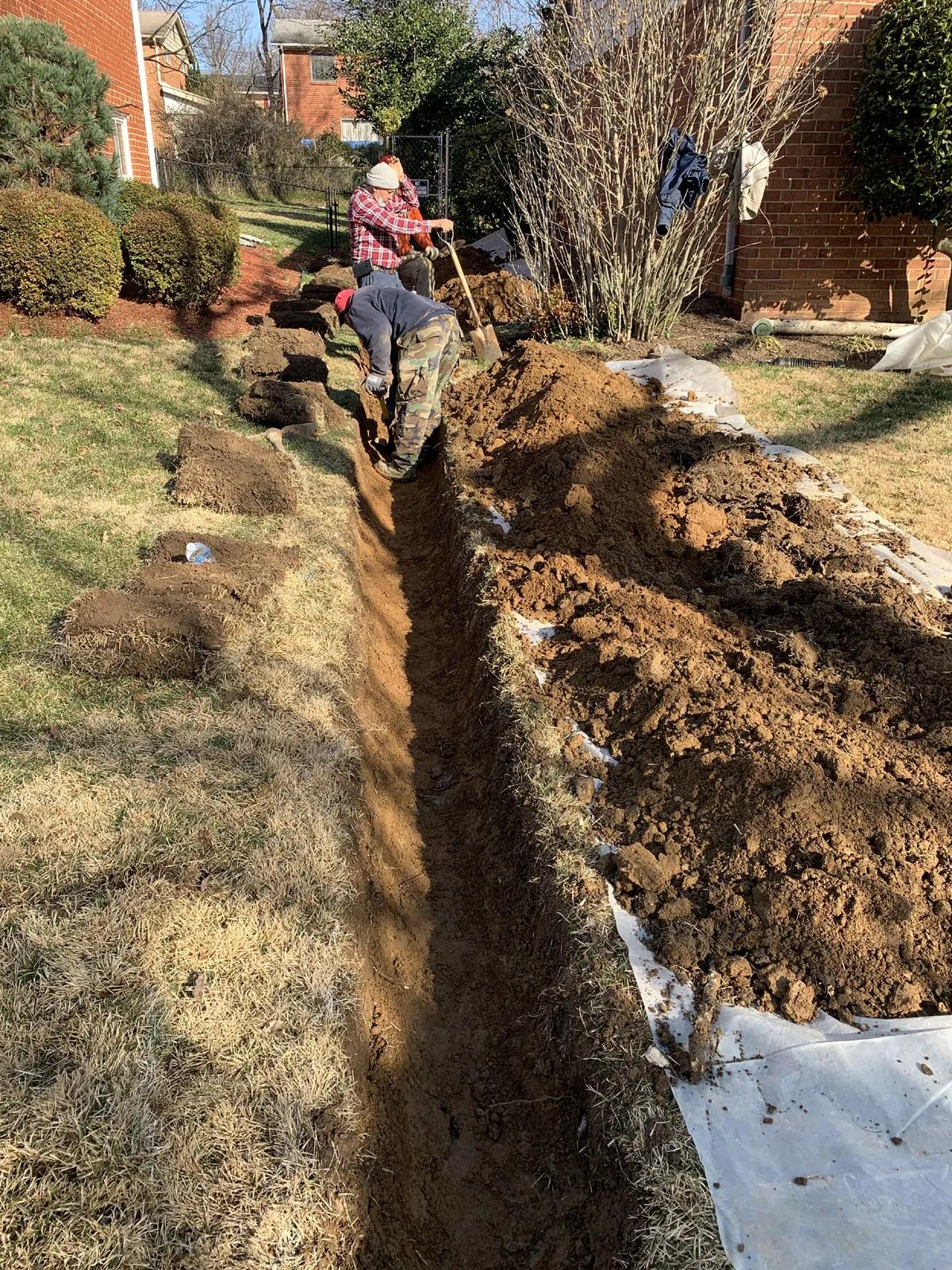
A check valve stops backflow, and rigid PVC discharge pipe carries water through the foundation wall and well away from the house to daylight, a dry well, or a storm connection.
Battery backup option
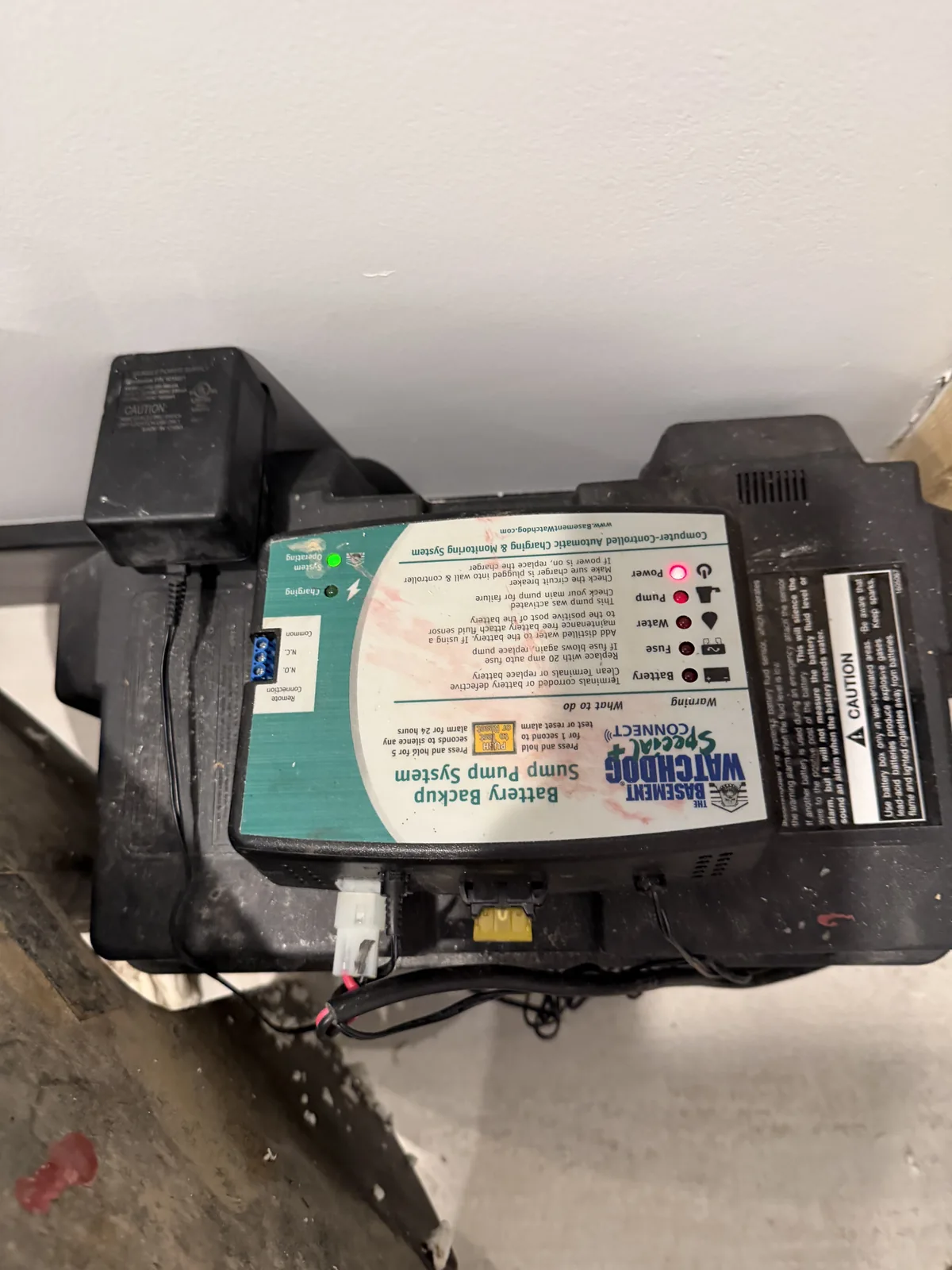
A Basement Watchdog or Zoeller backup pump with its own battery and controller keeps the basin empty during the power outages that so often accompany big storms.
Dedicated power and testing
The pump runs on a properly protected outlet, and we fill the pit and cycle the system before we leave so you see it work.
Our Approach
How We Handle Sump Pump Installation
The decisions start with where the pit goes. We find the true low point of your slab, check for footings and utilities beneath it, and look at how water is reaching the floor. From there we estimate how much water the pump will move in a storm and how high it has to lift it, which tells us whether a 1/3, 1/2, or 3/4 HP Zoeller or Pro-Series pump fits your basement.
We also settle the discharge route on the inspection: daylight on the low side of the yard, a dry well, or a storm connection where allowed, and never a floor drain, laundry sink, or sewer line. We check what permits apply to your address. Before we leave, the floor is patched around the lid, the pit is filled and cycled so you see it work, and we review maintenance with you.

Signs You May Need This Service
When to Call About Sump Pump Installation
- Your basement has no sump pit and water collects on the floor during long or heavy rain.
- You are finishing the basement and want active drainage before drywall and flooring go in.
- An interior French drain is being installed and needs a basin to drain into.
- Groundwater seeps up through floor cracks rather than down the walls.
- The house sits at the bottom of a slope or in a low spot on the block.
- Your home inspector or insurer flagged the lack of a sump pump.
How It Works
Our Sump Pump Installation Process
Step 1: Inspection
A technician inspects the basement, identifies the low point, checks the walls and floor for the water path, and discusses where the discharge can go.
Step 2: Written estimate with pump model
Your estimate names the basin, pump, backup option, and discharge route, with warranty terms included.
Step 3: Pit excavation and basin set
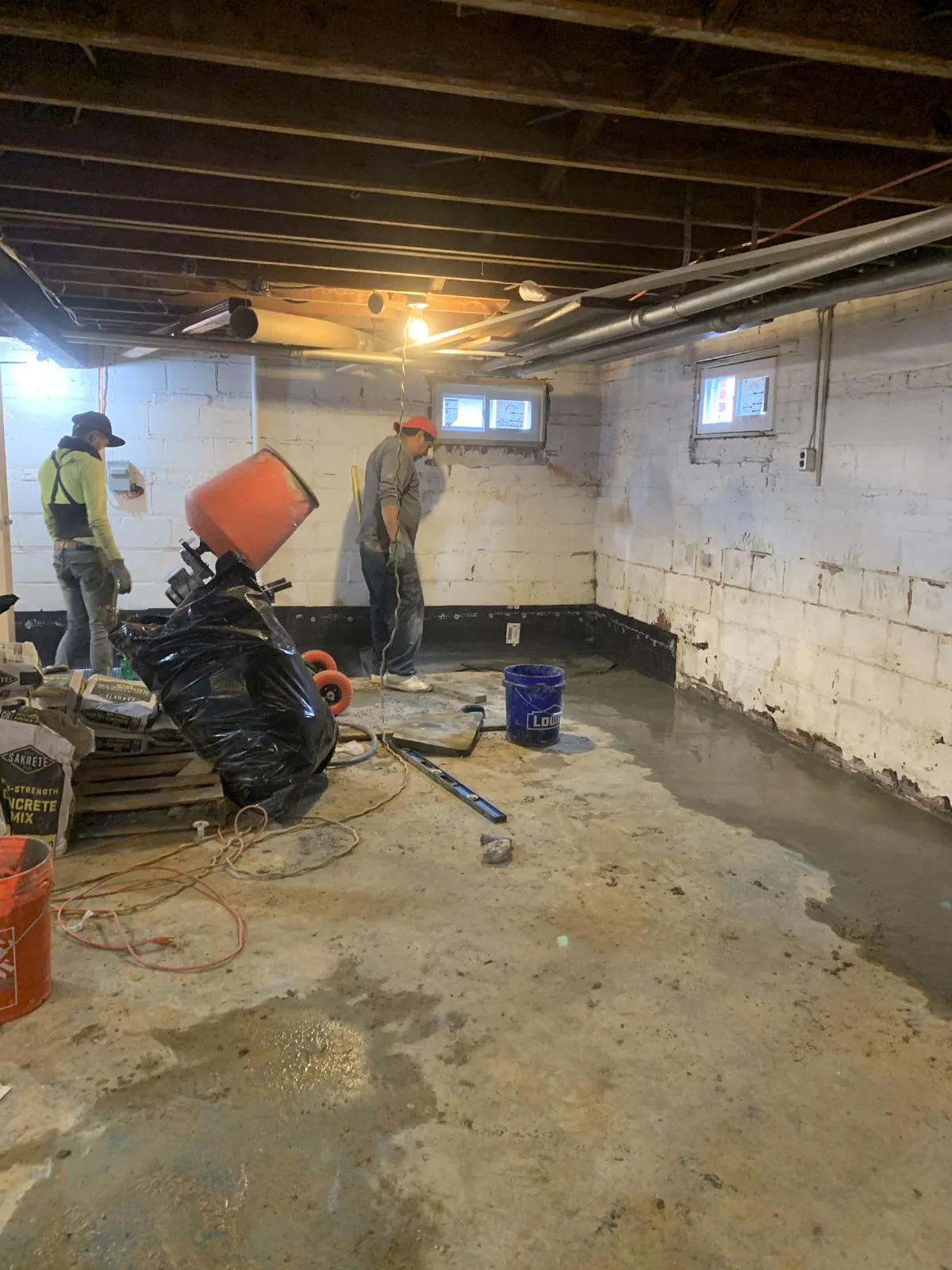
We break the slab, dig the pit, bed the basin in gravel, and backfill around it so groundwater can reach the perforations.
Step 4: Pump, valve, and discharge installation
The pump is set and leveled, the float is adjusted, the check valve and discharge line are installed, and the wall penetration is sealed.
Step 5: Concrete patch and system test
Fresh concrete restores the floor around the lid, and the system is tested under load before we clean up and review maintenance with you.

Benefits & Long-Term Protection
Why This Investment Pays Off
Active protection instead of hoping
A pump removes water automatically as the table rises, which is the difference between a dry floor and a wet one during a multi-day storm.
Foundation for a full drainage system
The basin becomes the collection point if you add an interior French drain later, so the investment carries forward.
Protection through power outages
With battery backup, the system keeps pumping when storms knock out power, which is exactly when you need it most.
Sump Pump Installation FAQs

